


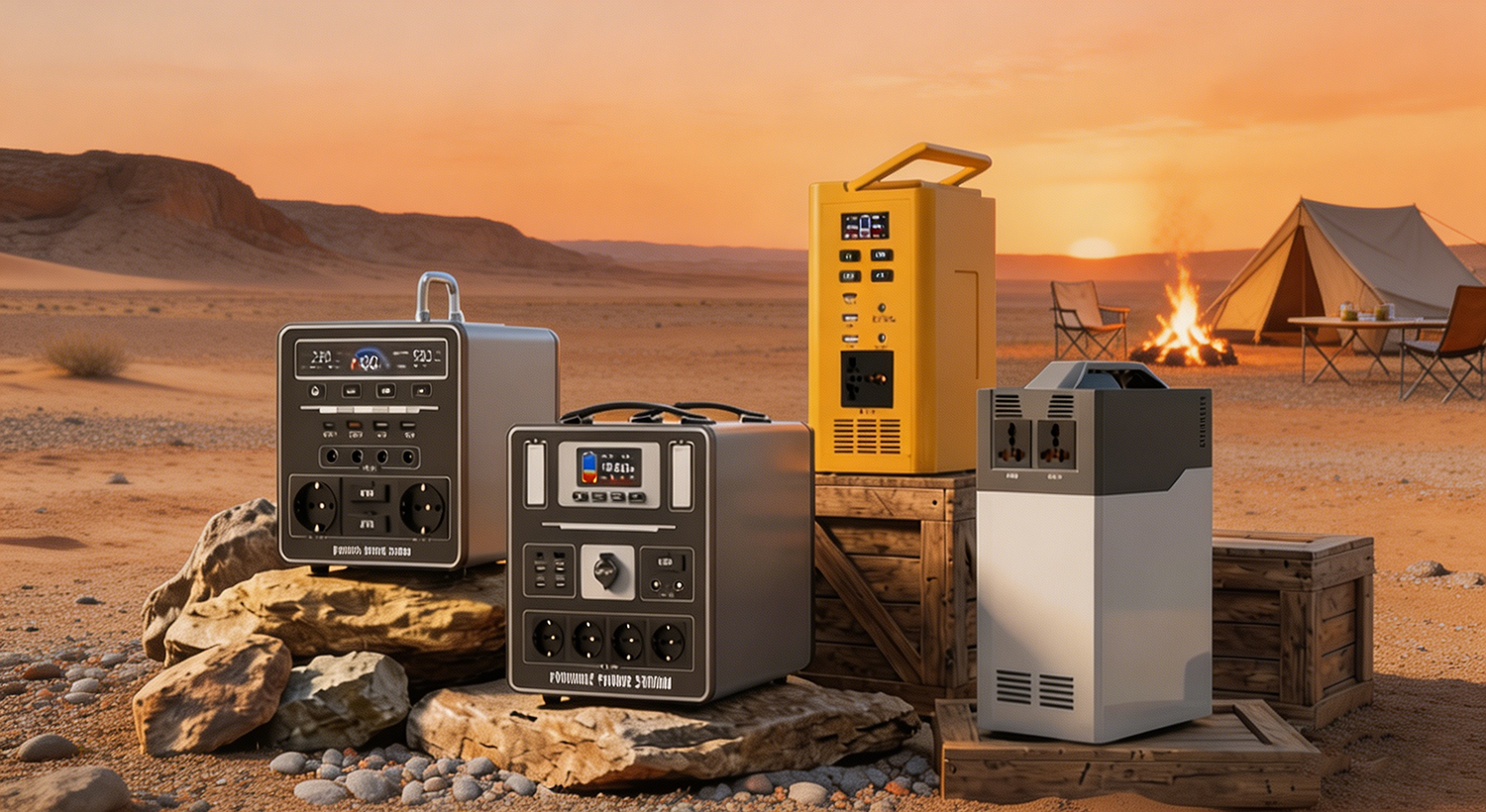
How to Choose the Right Portable Power Station for Outdoor Use
Choosing the right portable power station can make a significant difference to your outdoor experience. Whether you are planning a weekend camping trip, going on an RV adventure, enjoying outdoor photography, or working remotely in nature, a reliable portable power station provides convenient access to electricity whenever and wherever you need it.
However, with different battery capacities, output ratings, charging technologies, and product configurations available, selecting the right model can be challenging.
In this guide, we will explain the key factors to consider when choosing a portable power station for outdoor use, helping you find a solution that balances performance, portability, safety, and cost.
1. Determine Your Outdoor Power Requirements
The first step is understanding which devices you need to power and how much electricity they consume.
Different outdoor activities require different levels of power. For example, charging smartphones requires relatively little energy, while running an electric cooler, laptop, or portable cooking appliance requires considerably more.
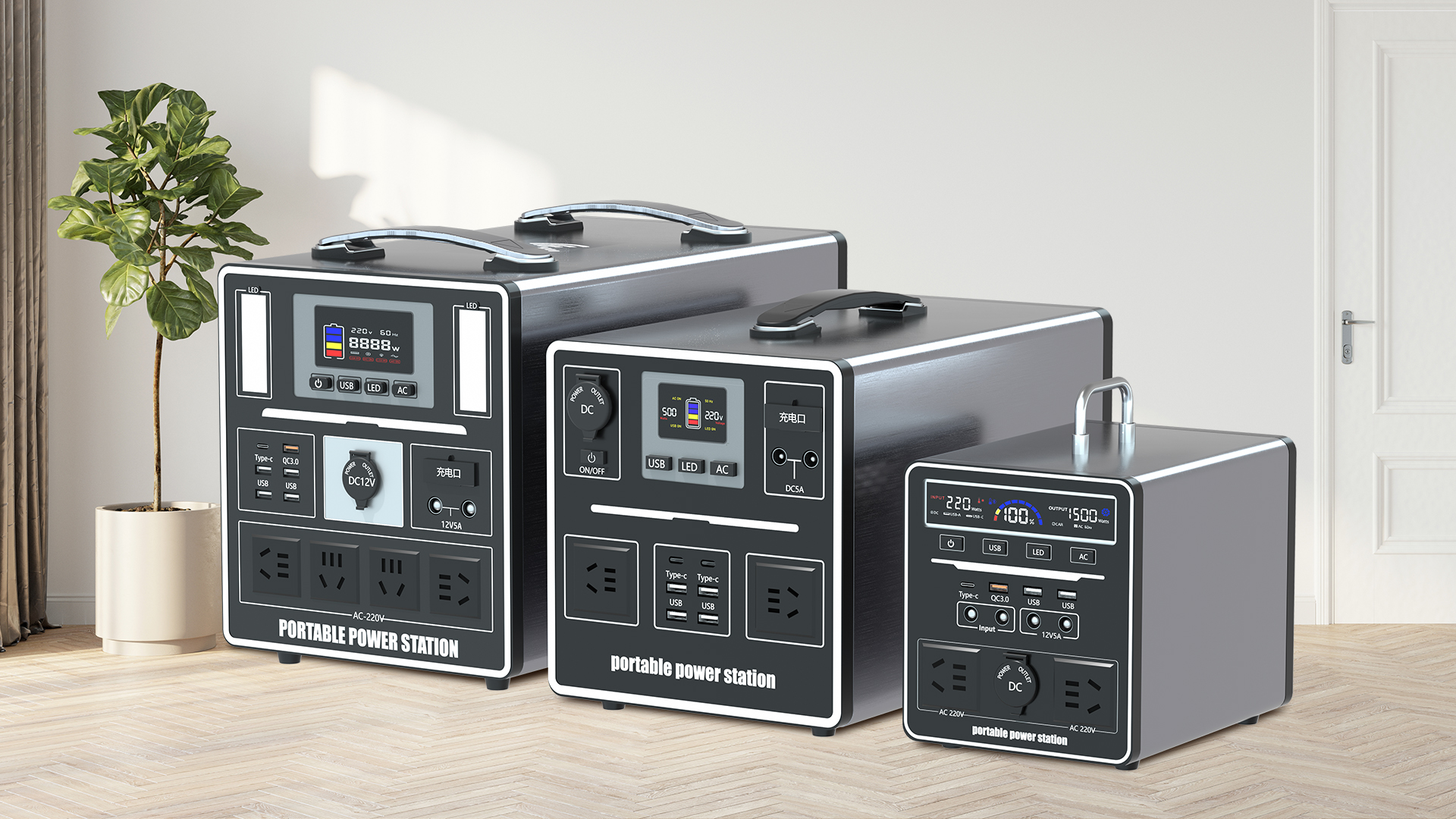
Here are some common outdoor devices and their approximate power consumption:
| Device | Typical Power Consumption |
|---|---|
| Smartphone | 10–20W |
| LED Camping Light | 5–15W |
| Laptop | 45–100W |
| Camera Battery Charger | 10–30W |
| Portable Fan | 20–50W |
| Portable Refrigerator | 40–80W |
| Small Electric Cooker | 500–1,000W |
Note: Actual power consumption varies depending on the device model and operating conditions.
Before purchasing, make a list of all the equipment you plan to use. Calculate the total energy consumption based on the number of hours each device will operate.
This will help you determine the battery capacity and output power you actually need.
2. Choose the Right Battery Capacity (Wh)
Battery capacity is one of the most important specifications of a portable power station. It determines how much energy the unit can store and how long it can supply electricity to your devices.
Battery capacity is measured in watt-hours (Wh).
For example, a 500Wh portable power station theoretically provides:
- A 50W device for approximately 10 hours.
- A 100W device for approximately 5 hours.
- A 200W device for approximately 2.5 hours.
Actual operating time is usually shorter because of inverter losses, conversion efficiency, and battery management limitations.
Recommended Capacity for Different Outdoor Activities
| Battery Capacity | Suitable Applications |
|---|---|
| 200–300Wh | Short camping trips, smartphones, lighting |
| 300–600Wh | Weekend camping, laptops, cameras, fans |
| 600–1,000Wh | Family camping, portable refrigerators, multiple devices |
| 1,000–2,000Wh | RV travel, extended camping, higher-power equipment |
| 2,000Wh+ | Long outdoor stays, demanding equipment, backup applications |
These are general recommendations rather than fixed requirements. Your actual capacity needs depend on the number of devices, operating hours, and available recharging opportunities.
Tip: If you frequently spend multiple days outdoors, consider choosing a model with additional capacity to provide a comfortable energy reserve.
3. Check the Rated Output Power
Battery capacity determines how much energy a power station stores, while rated output power determines which appliances it can operate.
These are two different specifications, and both are important.
For example, a portable power station with a 1,000Wh battery but only 300W of rated AC output may not operate an appliance requiring 800W.
When evaluating output power, pay attention to three specifications:
- Rated Output Power: The continuous power the unit can supply.
- Surge Power: The temporary peak power available when starting certain appliances.
- Output Ports: The available AC outlets, USB-A, USB-C, and DC connections.
For outdoor use, a versatile combination of AC outlets, USB-C PD ports, USB-A ports, and 12V DC outputs can make the power station more practical.
If you plan to operate appliances with electric motors or compressors, check their starting power requirements rather than relying only on their rated operating wattage.
4. Understand Battery Chemistry: LiFePO4 vs. Lithium-Ion
Battery chemistry directly affects the performance, lifespan, safety, and overall value of a portable power station.
Two common battery technologies are conventional lithium-ion batteries and lithium iron phosphate (LiFePO4).
| Feature | Li-ion | LiFePO4 |
|---|---|---|
| Energy Density | Generally higher | Generally lower |
| Cycle Life | Depends on chemistry and design | Generally longer |
| Thermal Stability | Depends on chemistry | Generally higher |
| Weight | Often lighter | Often heavier |
| Long-Term Durability | Varies by cell type | Generally excellent |
LiFePO4 batteries have become increasingly popular in portable power stations because of their long cycle life, thermal stability, and durability.
For users who regularly travel, camp, or rely on portable electricity, LiFePO4 technology can offer better long-term value.
However, battery quality depends on more than chemistry alone. Cell quality, battery management systems, thermal design, and manufacturing standards are equally important.
5. Consider Charging Options and Charging Speed
A portable power station is only useful if you can recharge it conveniently.
For outdoor applications, flexible charging options are particularly valuable.
AC Wall Charging
AC charging is suitable when you have access to a household electrical outlet before or during your trip.
Charging speed depends on the power station’s maximum AC input and its charging system.
Solar Charging
Solar charging is an excellent option for extended outdoor activities, especially when access to conventional electricity is limited.
When selecting a solar-compatible power station, consider:
- Maximum solar input power.
- Supported solar panel voltage and current.
- MPPT solar charging technology.
- Solar charging time under suitable sunlight conditions.
- Compatibility with different solar panel configurations.
A higher solar input rating can reduce charging time when sufficient solar energy is available.
Car Charging
Many portable power stations support 12V vehicle charging, making them convenient for road trips and RV travel.
Some models also support higher-power vehicle charging configurations.
For frequent outdoor users, choosing a power station that supports AC, solar, and vehicle charging provides greater flexibility.
6. Evaluate Portability, Size, and Weight
Portability is a defining characteristic of an outdoor power station.
A model with a large battery capacity may provide excellent runtime, but excessive weight can make it inconvenient to transport.
Consider the following factors:
- Overall dimensions and weight.
- Integrated carrying handles.
- Wheel and trolley design for larger units.
- Compact housing and ergonomic construction.
- Protection against dust, moisture, and outdoor conditions.
For backpacking or short camping trips, a compact and lightweight model is generally preferable.
For car camping, RV travel, or outdoor events, a larger unit may be more practical because transportation is less restrictive.
Also, check the manufacturer’s specified operating temperature and environmental protection rating. Do not assume that a portable power station is waterproof simply because it is designed for outdoor use.
7. Look for Reliable Battery Management and Safety Features
Safety should never be overlooked when choosing a portable power station.
A reliable battery management system (BMS) helps monitor and protect the battery during charging and discharging.
Important protection features include:
- Overcharge protection.
- Over-discharge protection.
- Overcurrent protection.
- Short-circuit protection.
- Over-temperature protection.
- Cell voltage monitoring.
A well-designed thermal management system also helps maintain stable operating conditions.
When comparing manufacturers, look beyond marketing claims. Ask about battery cell specifications, product testing procedures, certifications applicable to your target market, and quality control standards.
For commercial distribution, product compliance and transportation requirements should also be verified before placing an order.
8. Consider Expandable Capacity and Future Requirements
Your electricity requirements may increase over time.
For example, you might initially use a portable power station for charging phones and lighting, but later want to operate a refrigerator, projector, or additional camping equipment.
Some power stations support expandable battery systems, allowing users to increase their available energy storage capacity.
Before purchasing, check:
- Whether additional batteries are supported.
- Maximum expandable capacity.
- Compatibility with expansion batteries.
- Whether expansion affects charging and output performance.
- Whether the manufacturer offers compatible accessories.
Expandable systems can be a practical investment for users who want flexibility without purchasing an entirely new power station.
9. Compare Price, Warranty, and Manufacturer Reliability
Price is important, but the cheapest portable power station is not necessarily the most economical choice.
A lower-priced product may have compromises in battery quality, inverter performance, charging speed, or after-sales support.
When comparing different products, evaluate the complete ownership cost.
Consider:
- Battery chemistry and expected cycle life.
- Rated capacity and output performance.
- Charging efficiency and available charging methods.
- Warranty coverage.
- Product certifications and compliance documentation.
- Availability of replacement parts and technical support.
- Manufacturer experience and quality control capabilities.
If you are purchasing for business distribution or OEM projects, also evaluate production capacity, customization capabilities, minimum order quantities, lead times, and long-term supply stability.
Working with a reliable manufacturer can reduce product risks and improve the overall customer experience.
10. Recommended Portable Power Station Specifications for Different Outdoor Scenarios
To make your selection easier, here is a practical comparison of typical configurations for different outdoor activities.
| Application | Suggested Capacity | Suggested Rated Output |
|---|---|---|
| Basic Camping | 200–300Wh | 150–300W |
| Weekend Camping | 300–600Wh | 300–600W |
| Family Camping | 600–1,000Wh | 600–1,000W |
| RV and Road Trips | 1,000–2,000Wh | 1,000–2,000W |
| Extended Outdoor Use | 2,000Wh+ | 2,000W+ |
These specifications are starting points, not universal standards. Always calculate actual appliance consumption and check surge requirements before selecting a system.
Final Thoughts: Choose a Power Station That Matches Your Lifestyle
Choosing the right portable power station is about finding the right balance between battery capacity, output power, charging flexibility, portability, battery technology, and safety.
For occasional camping, a compact 300–600Wh unit may be sufficient. For family camping or RV travel, a 1,000–2,000Wh system may provide greater convenience. For extended outdoor activities, a higher-capacity system with solar charging and expandable battery support may be a better investment.
Most importantly, choose a product based on your actual electricity requirements rather than simply purchasing the largest or most powerful model.
A well-matched portable power station can provide dependable electricity, improve outdoor comfort, and make off-grid adventures much more convenient.
Looking for a Reliable Portable Power Station Manufacturer?
At ECOELEX, we focus on portable energy storage solutions designed to meet different power requirements and application scenarios.
Whether you are a distributor, wholesaler, brand owner, or business buyer, selecting the right product configuration is essential for building a competitive product portfolio.
Contact ECOELEX to discuss portable power station specifications, OEM/ODM opportunities, and customized energy storage solutions for your market.