


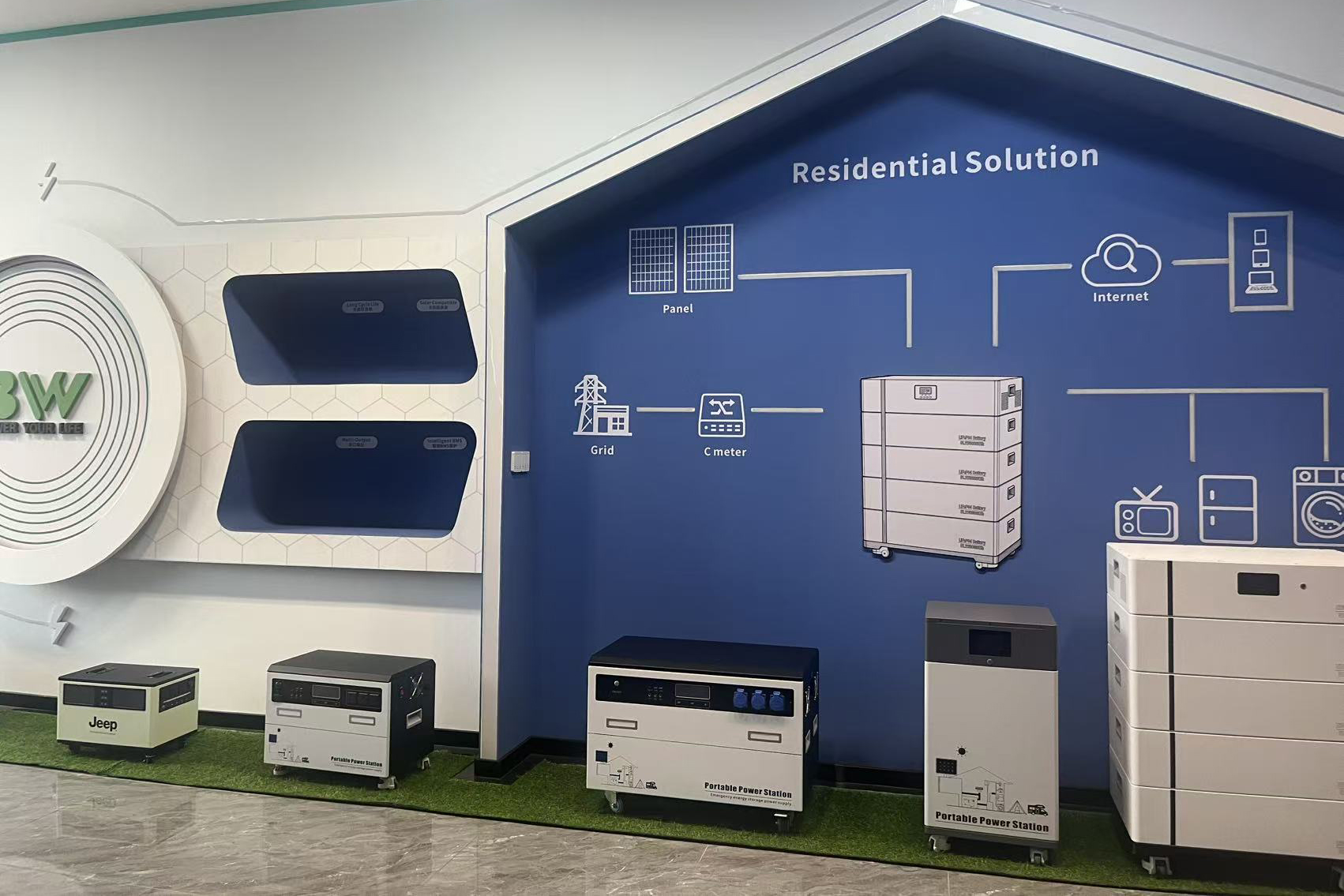
Outdoor portable power stations have become essential for camping, outdoor activities, emergency backup, and off-grid applications. However, buyers often notice significant price differences between products with identical power ratings and battery capacities.
So, why does one portable power station cost considerably more than another?
The answer goes beyond advertised specifications. Several important factors influence manufacturing costs, product reliability, and overall performance.
Let’s explore the key differences that determine portable power station prices.
1. Battery Cell Quality and Condition
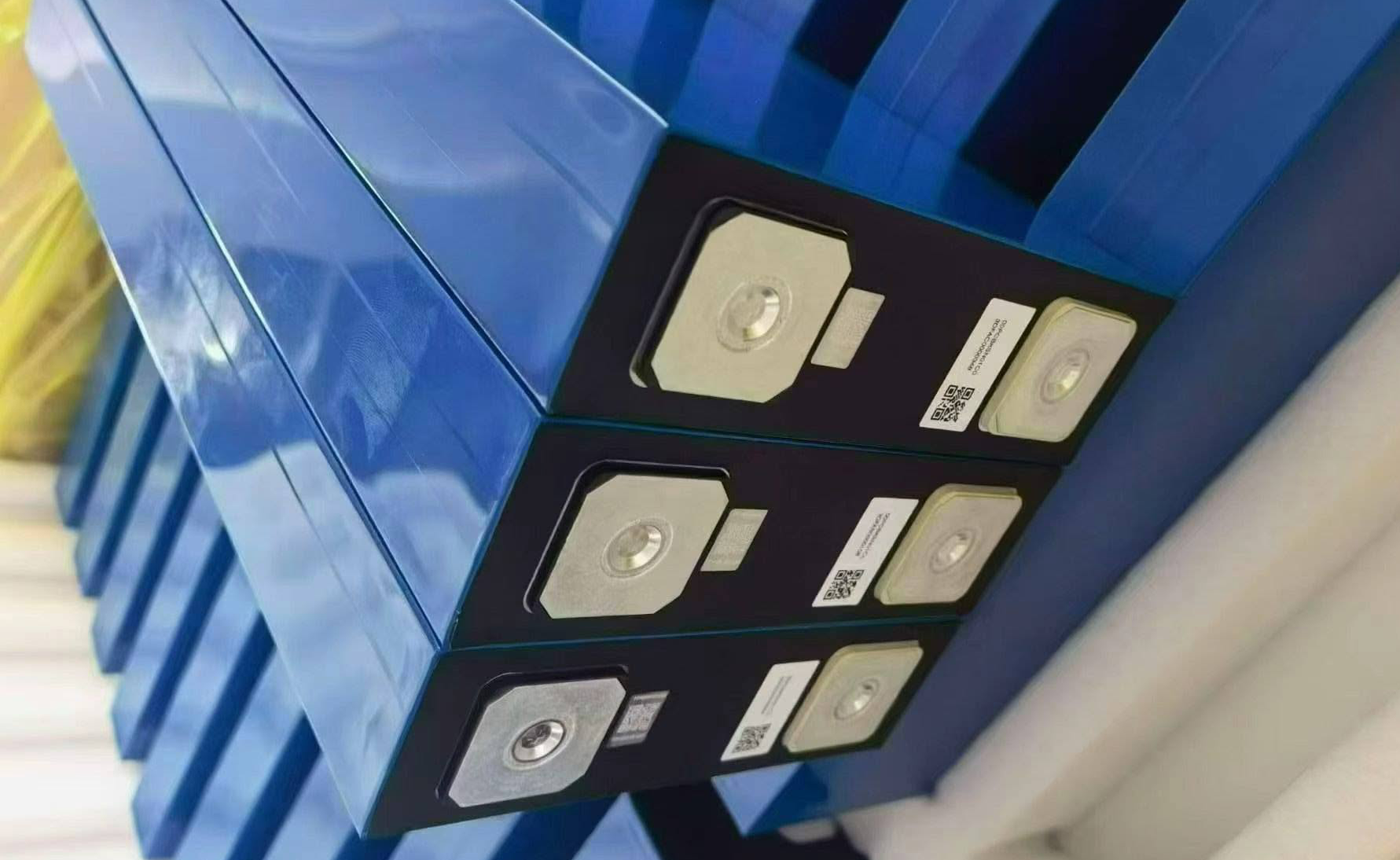
Battery cells represent one of the most important components of any portable power station. Their quality directly affects product costs, safety, and service life.
However, not all battery cells offer the same performance.
Manufacturers may use different cell grades, brands, and production batches. Some products use brand-new, high-quality cells, while others rely on lower-grade or previously used cells.
Additionally, battery cell consistency plays an important role.
High-quality cells typically offer:
More stable charging and discharging performance.
Better cycle life and long-term reliability.
Lower internal resistance.
Improved temperature stability.
More consistent capacity across individual cells.
By comparison, lower-grade or aged cells may experience faster capacity degradation. Consequently, their actual performance might fall below initial expectations.
Therefore, buyers should examine battery specifications rather than comparing capacity alone.
2. New Battery Cells vs. Used or Refurbished Cells
Battery cell condition can create substantial differences in manufacturing costs.
New battery cells generally provide predictable performance and a longer usable lifespan. In contrast, used or refurbished cells may have already experienced significant charging cycles.
Although both products might advertise the same battery capacity, their remaining service life can differ considerably.
For example, a refurbished battery pack might deliver its advertised capacity initially. Nevertheless, its capacity could decline faster during regular use.
Furthermore, previously used cells may have inconsistent internal resistance. This difference can increase battery management challenges.
For this reason, buyers should ask manufacturers about cell origins, production dates, and testing procedures.
3. Built-In Controller and Power Management System
Another important pricing factor is whether the portable power station includes a built-in controller.
A controller manages important electrical functions within the system. Depending on the product architecture, it may regulate charging, discharging, voltage, and current.
More importantly, advanced control systems can improve operational safety and system efficiency.
A well-designed controller may provide:
Overcharge protection.
Over-discharge protection.
Overcurrent protection.
Short-circuit protection.
Temperature monitoring.
Voltage and current regulation.
However, not every portable power station uses the same controller configuration.
Some manufacturers integrate advanced control electronics into the main unit. Others use simpler external components or separate control modules.
As a result, products with identical output ratings may have very different production costs.
4. Battery Management System (BMS) Quality
The Battery Management System, commonly called BMS, is another essential component.
It monitors battery conditions and helps protect cells during operation. Additionally, it manages cell balancing and monitors critical operating parameters.
A reliable BMS can help prevent unsafe operating conditions. It also supports more consistent battery performance.
Nevertheless, BMS quality varies between manufacturers.
Basic systems may provide essential protection functions. Meanwhile, more advanced systems can offer detailed monitoring and additional protection mechanisms.
Therefore, buyers should evaluate the BMS configuration instead of relying solely on battery capacity.
5. Internal Components and Manufacturing Quality
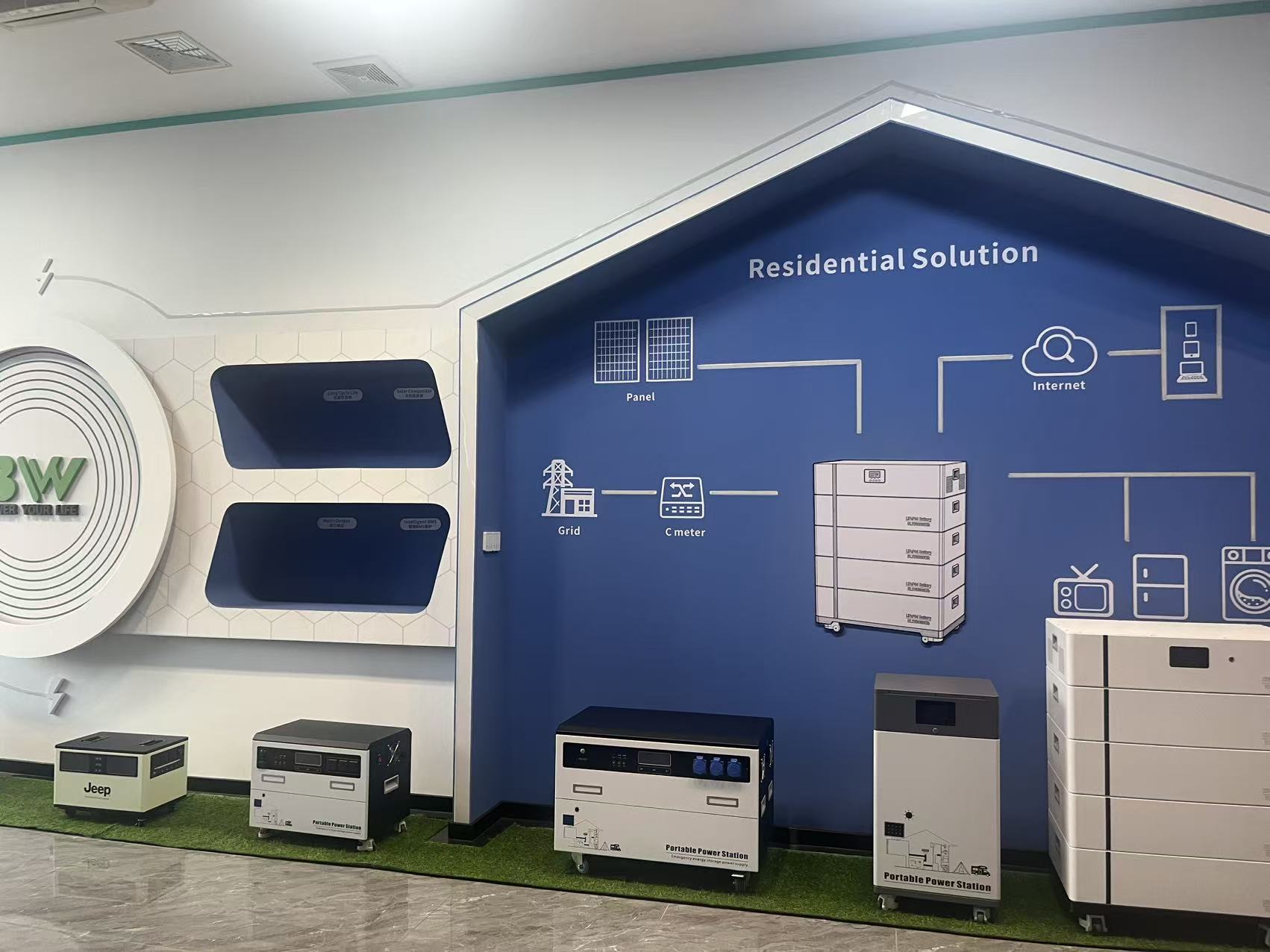
Even when two products share identical headline specifications, their internal components may differ significantly.
For example, manufacturers can select different inverters, circuit boards, connectors, cooling systems, and wiring materials.
These components influence overall product reliability.
Furthermore, manufacturing standards affect assembly consistency and quality control.
Higher-quality materials and stricter production procedures generally increase manufacturing expenses. However, they can also reduce failure rates and improve long-term reliability.
Consequently, the cheapest product is not necessarily the most economical choice.
6. Product Testing, Certification, and Quality Control
Reliable portable power stations require more than suitable components.
Manufacturers should also conduct comprehensive testing before shipping products.
Important testing procedures may include:
Battery capacity testing.
Charging and discharging tests.
Continuous power output testing.
Temperature and thermal protection testing.
Electrical safety inspections.
Aging and reliability tests.
Additionally, relevant certifications help demonstrate compliance with applicable safety requirements.
Testing and certification create additional production expenses. However, they provide greater confidence in product safety and consistency.
7. How to Compare Portable Power Station Prices
Before purchasing an outdoor portable power station, avoid comparing products using wattage and battery capacity alone.
Instead, examine the complete technical configuration.
Consider these important questions:
Are the battery cells brand-new or refurbished?
What battery chemistry and cell grade does the manufacturer use?
Does the unit include an integrated controller?
What protection functions does the BMS provide?
What inverter technology and components are installed?
Has the manufacturer completed capacity and load testing?
What certifications and warranty coverage are available?
By checking these details, buyers can make more informed purchasing decisions.
Conclusion: Look Beyond Power Output and Battery Capacity
Two portable power stations can advertise identical power output and battery capacity while offering very different levels of quality.
Ultimately, battery cell condition, controller configuration, BMS quality, internal components, and manufacturing standards all influence product pricing.
Therefore, a lower purchase price does not automatically represent better value.
For outdoor applications and long-term use, buyers should prioritize verified specifications, reliable components, and consistent manufacturing quality.